
"coffee cultivation decline"
2000 article(s) found

An introduction to the Fine Coffee of Tanzania the flavor characteristics of Tanzanian coffee
Due to political instability and rampant diseases and insect pests, the coffee industry in Tanzania has been damaged, leading to a decline in the overall level of coffee and instability in quality, which in turn lead to lower prices, which are usually the result of a further decline in the coffee industry. What's more, it is estimated that more than 12% of the Arabica coffee grown in northern Tanzania from 1969 to 1985 was smuggled.
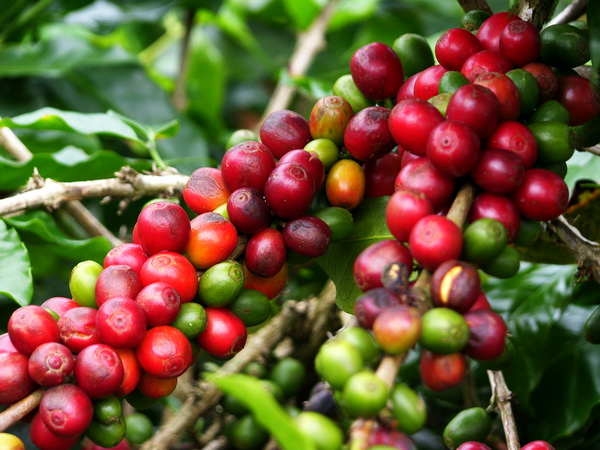
Experience plantation amorous feelings Tanzania Arusha Coffee Manor Africa original Tanzania imported coffee
Due to political instability and rampant diseases and insect pests, the coffee industry in Tanzania has been damaged, leading to a decline in the overall level of coffee and instability in quality, which in turn lead to lower prices, which are usually the result of a further decline in the coffee industry. What's more, it is estimated that more than 12% of the Arabica coffee grown in northern Tanzania from 1969 to 1985 has gone.

Introduction to boutique coffee beans-- the flavor of Tanzanian coffee the characteristics of Tanzanian coffee
Due to political instability and rampant diseases and insect pests, the coffee industry in Tanzania has been damaged, leading to a decline in the overall level of coffee and instability in quality, which in turn lead to lower prices, which are usually the result of a further decline in the coffee industry. What's more, it is estimated that more than 12% of the Arabica coffee grown in northern Tanzania from 1969 to 1985 was smuggled.

Introduction to the origin of boutique coffee beans the characteristics of Tanzanian coffee Tanzania coffee
Due to political instability and rampant diseases and insect pests, the coffee industry in Tanzania has been damaged, leading to a decline in the overall level of coffee and instability in quality, which in turn lead to lower prices, which are usually the result of a further decline in the coffee industry. What's more, it is estimated that more than 12% of the Arabica coffee grown in northern Tanzania from 1969 to 1985 was smuggled.

Where will Yunnan Coffee Industry go?
Recently, coffee industry in Yunnan Province has become a hot topic that people pay close attention to. On the one hand, the coffee planting area in Yunnan Province reached a new high of 1.3 million mu; on the other hand, the coffee purchase price of Nestl é in Yunnan fell to nearly 17 yuan / kg, a five-year low. Where will Yunnan coffee industry go? In view of the above, the Yunnan Coffee Association recently held a media meeting to outline
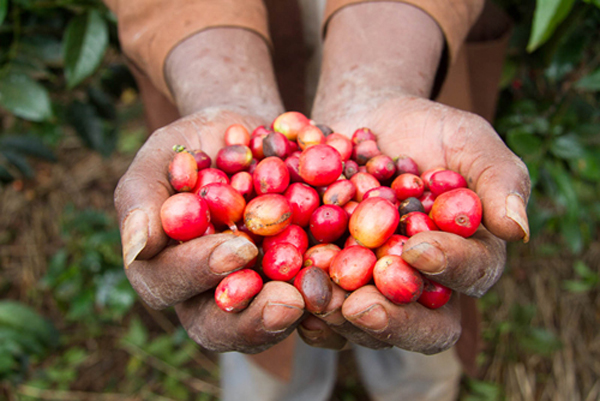
Imported Tanzanian coffee (coffee beans) hand-brewed coffee Tanzania PB coffee raw
Due to political instability and rampant diseases and insect pests, the coffee industry in Tanzania has been damaged, leading to a decline in the overall level of coffee and instability in quality, which in turn lead to lower prices, which are usually the result of a further decline in the coffee industry. What's more, it is estimated that more than 12% of the Arabica coffee grown in northern Tanzania from 1969 to 1985 has gone.

The flavor of Tanzanian coffee describes the flavor of Tanzanian coffee. How about Tanzanian coffee?
Due to political instability and rampant diseases and insect pests, the coffee industry in Tanzania has been damaged, leading to a decline in the overall level of coffee and instability in quality, which in turn lead to lower prices, which are usually the result of a further decline in the coffee industry. What's more, it is estimated that more than 12% of the Arabica coffee grown in northern Tanzania from 1969 to 1985 was smuggled.

History of the Origin and Development of Brazilian Coffee the Future trend of Flavor and Taste in Brazilian Coffee Bean producing areas
The origin of Brazilian coffee several historians agree that the arrival of coffee from the Old World to Martinique and the Antilles originated in 1714 when Mathieu de Clieu, the captain of the French army, got it from the first branch seeds brought by small American plantations. The story tells us that the captain is keeping a coffee branch stolen from Louis XIV Garden.
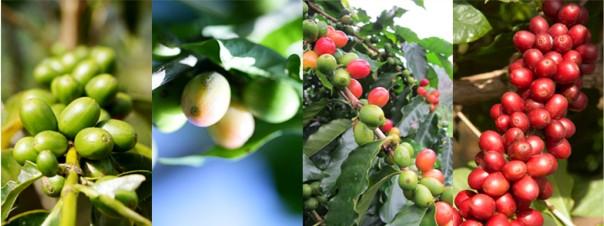
Tanzania will host World Specialty Coffee Conference Coffee in the town of Moxi, Tanzania
Due to political instability and rampant diseases and insect pests, the coffee industry in Tanzania has been damaged, leading to a decline in the overall level of coffee and instability in quality, which in turn lead to lower prices, which are usually the result of a further decline in the coffee industry. What's more, it is estimated that more than 12% of the Arabica coffee grown in northern Tanzania from 1969 to 1985 has gone.
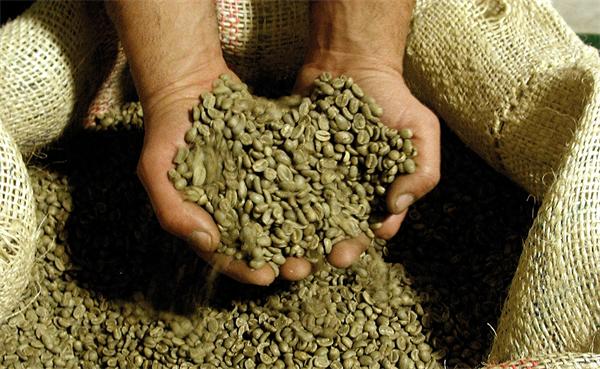
What are the major coffee producing countries in Africa? Tanzania AA, Tanzania, black coffee.
Due to political instability and rampant diseases and insect pests, the coffee industry in Tanzania has been damaged, leading to a decline in the overall level of coffee and instability in quality, which in turn lead to lower prices, which are usually the result of a further decline in the coffee industry. What's more, it is estimated that more than 12% of the Arabica coffee grown in northern Tanzania from 1969 to 1985 has gone.

The origin and planting environment of the rare Guadeloupe coffee beans
Professional coffee knowledge exchange more information about coffee beans please follow the coffee workshop (Wechat official account cafe_style) this archipelago in the Caribbean used to be an important producer of coffee. Good coffee production was affected by natural disasters. In 1789, more than 1 million coffee trees on 500 hectares of land produced 4000 tons. Today, only 150 hectares of land is used to grow coffee.
Used to be an important coffee producer Guadeloupe
Good coffee production affected by natural disasters This group of islands in the Caribbean used to be an important source of coffee. In 1789, more than 1 million coffee trees on 500 hectares produced 4000 tons, while today only 150 hectares are used for coffee cultivation. This decline can be attributed to increased sugar cane and banana production and Hurricane Ines in 1996.

Uganda, Kenya and Tanzania are one of the major coffee exporters in Africa and the world.
Due to political instability and rampant diseases and insect pests, the coffee industry in Tanzania has been damaged, leading to a decline in the overall level of coffee and instability in quality, which in turn lead to lower prices, which are usually the result of a further decline in the coffee industry. What's more, it is estimated that more than 12% of the Arabica coffee grown in northern Tanzania from 1969 to 1985 has gone.

Grinding scale Flavor description of Coffee beans in Jinchu Valley, Kenya
Last year, due to the increase in global supply and the continued decline in international coffee prices, Kenyan coffee prices fell to their lowest level since 2007, and the livelihoods of millions of coffee farmers were seriously affected. Coffee prices have rebounded since the beginning of this year due to an expected decline in coffee production due to dry weather in Brazil.

A brief introduction to the description of the flavor and aroma characteristics of Tanzanian coffee beans in Africa with soft acidity
Due to political instability and rampant diseases and insect pests, the coffee industry in Tanzania has been damaged, resulting in a decline in the overall level of coffee and instability in quality, which in turn lead to lower prices, which is usually the result of a further decline in the coffee industry. What's more, it is estimated that more than 12% of the Arabica coffee grown in northern Tanzania from 1969 to 1985
Boutique single Yemeni coffee beans
Yemeni Coffee Mocha is the earliest export port of Yemeni coffee beans, a well-known coffee named after a port in Yemen. The most familiar mocha coffee. When the word appears on the recipes of bags and cafes, the meaning is different. The former refers to the port where coffee beans are exported, while the latter refers to a kind of coffee. Strictly speaking, exported from the Yemeni port of Mocha
Yemeni coffee mocha coffee boutique coffee
Yemeni Coffee Mocha is the earliest export port of Yemeni coffee beans, a well-known coffee named after a port in Yemen. The most familiar mocha coffee. When the word appears on the recipes of bags and cafes, the meaning is different. The former refers to the port where coffee beans are exported, while the latter refers to a kind of coffee. Strictly speaking, exported from the Yemeni port of Mocha

Varieties of coffee beans what are the varieties of coffee beans
Caturra is a naturally mutated Arabica variety found in Bourbon in Brazil in 1937. It has good potential to increase production, but it is not suitable for the growth conditions of Brazil. However, it thrives in Colombia and Central America, where quality increases at high altitudes, but production declines and requires a lot of care and fertilization. It has a strong fruit flavor. Caffeine without cause

Yemeni coffee is the earliest coffee bean export port
Yemeni coffee is a famous coffee named after a port in Yemen. Mocha coffee is the most familiar. When the word appears separately on a package and a cafe menu, it refers to something different. The former refers to the port where coffee beans are exported, while the latter refers specifically to a coffee. Strictly speaking, coffee beans exported from Yemen's mocha port can be called mocha coffee. Later port

Tanzanian Coffee Speciality Tanzanian Coffee Introduction
Gourmet coffee is soft in acidity, inviting in aroma and an absolute value treat. Tanzania's coffee exports occupy an important position in the overall national economy. Bean berry coffee is produced in large quantities and is said to be stronger than regular coffee. Generally speaking, Tanzanian coffee beans are of exceptional quality. For example, near Kilimanja